 dolores
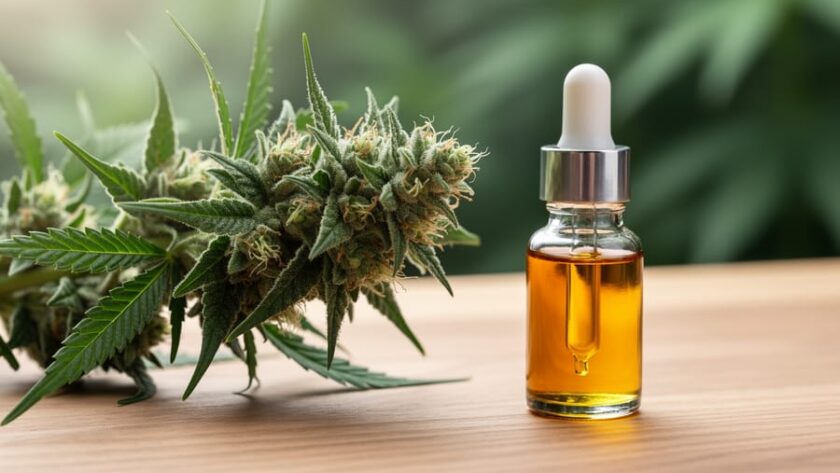
 CBD, short for cannabidiol, is a non-intoxicating compound extracted from hemp plants that interacts with the body’s endocannabinoid system to help regulate pain, mood, and inflammation. Unlike marijuana-derived products or Exhale Wellness THCA products hemp-derived CBD contains less than 0.3% THC, meaning it won’t produce a high while still offering therapeutic potential.
The question of whether CBD truly delivers on its health promises has moved from fringe curiosity to mainstream medical discussion. Millions of Americans now use CBD oils, capsules, and topicals for everything from chronic pain to sleep disorders, but the gap between marketing claims and clinical evidence remains wide. Some benefits have solid research backing, while others rest on preliminary studies and anecdotal reports.
This article cuts through the hype to examine what science actually says about hemp-derived CBD. You’ll learn how CBD works in your body at a molecular level, which health conditions show the most promising evidence for treatment, and where the research still falls short. We’ll also cover practical considerations like proper dosing, potential side effects, and how to identify quality products in an unregulated market.
Whether you’re considering CBD for the first time or looking to better understand a product you already use, understanding the distinction between proven benefits and hopeful speculation helps you make informed decisions about your health. The legal landscape has opened access, but that doesn’t mean every claim holds up under scrutiny.
What Hemp-Derived CBD Means
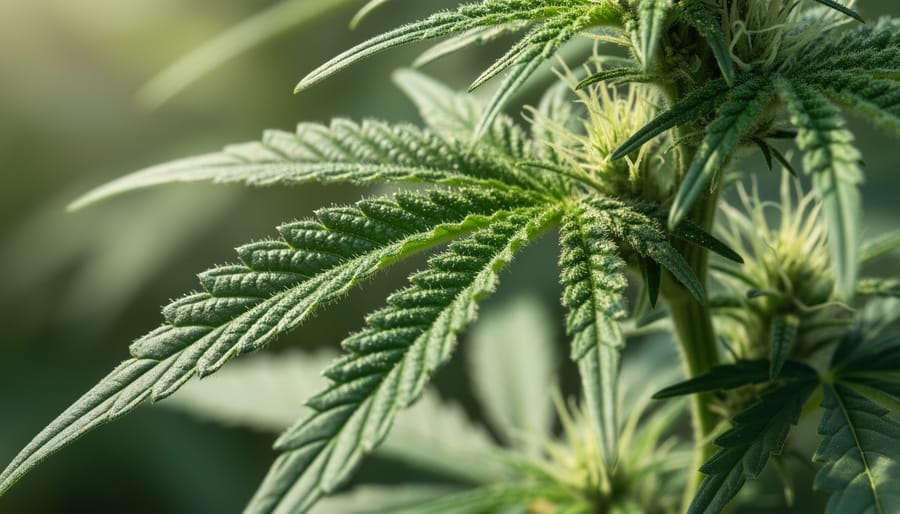
CBD, short for cannabidiol, is one of over 100 naturally occurring chemical compounds called cannabinoids found in cannabis plants. When extracted from hemp, a variety of Cannabis sativa that contains 0.3% or less THC by dry weight, CBD offers potential wellness benefits without the intoxicating effects associated with marijuana.
The legal distinction between hemp and marijuana hinges entirely on THC concentration. Both are cannabis plants, but hemp’s negligible THC content makes it federally legal under the 2018 Farm Bill, which removed hemp from the Controlled Substances Act. This landmark legislation transformed CBD from a gray-market curiosity into a mainstream wellness product, provided it comes from legally cultivated hemp and contains no more than 0.3% THC.
- CBD (Cannabidiol)
- A non-intoxicating cannabinoid that interacts with the body’s endocannabinoid system to influence pain, inflammation, mood, and sleep without producing a high.
- Hemp
- Cannabis sativa plants containing 0.3% or less THC by dry weight, cultivated legally for fiber, seeds, and cannabinoid extraction under federal law.
- THC (Tetrahydrocannabinol)
- The primary psychoactive cannabinoid in cannabis that produces intoxicating effects; present only in trace amounts in hemp-derived products.
- Cannabinoids
- Chemical compounds that interact with cannabinoid receptors in the body’s endocannabinoid system, with over 100 types identified in cannabis plants.
- Full-Spectrum vs. Isolate
- Full-spectrum contains all cannabinoids and compounds from hemp including trace THC, while isolate is pure CBD with other compounds removed.
Hemp-derived CBD does not produce a high because it lacks sufficient THC, the compound responsible for marijuana’s psychoactive effects. Understanding CBD oil basics helps clarify why products meeting federal hemp standards can be purchased without a prescription while offering the wellness benefits users seek from cannabis compounds.
How CBD Interacts With Your Body
Your body contains a complex biological system discovered in the 1990s called the endocannabinoid system (ECS), which helps regulate everything from sleep and appetite to pain sensation and immune response. This system works through a network of receptors, primarily CB1 receptors concentrated in your brain and nervous system, and CB2 receptors found throughout your immune cells and organs. Your body naturally produces its own cannabinoids (called endocannabinoids) that bind to these receptors, maintaining balance across various physiological processes.
CBD works differently than THC, which is why it doesn’t produce intoxicating effects. Rather than binding directly to CB1 or CB2 receptors like a key fitting into a lock, CBD acts more like a regulator that influences how well your own endocannabinoids function. It appears to slow the breakdown of anandamide, often called the “bliss molecule”, allowing this natural compound to remain active in your system longer. CBD also interacts with serotonin receptors and vanilloid receptors involved in pain and inflammation.
When you take CBD, these indirect mechanisms may affect several key areas. For pain perception, CBD influences receptors involved in sensing discomfort while potentially reducing inflammatory signaling. Its interaction with serotonin pathways helps explain reported effects on mood and anxiety. Sleep improvements often result from CBD addressing underlying issues like pain or stress rather than acting as a direct sedative.
The ECS extends throughout your entire body, which is why CBD’s effects can be so varied and why individual responses differ significantly. Factors like your existing endocannabinoid tone, the density of receptors in different tissues, and your body’s unique biochemistry all shape how CBD works for you personally.
Types of Hemp-Derived CBD Products
Full-Spectrum, Broad-Spectrum, and Isolate
When shopping for hemp-derived CBD, you’ll encounter three main formulations that differ in their chemical composition and effects.
Full-spectrum CBD contains all the naturally occurring compounds from the hemp plant, including cannabinoids, terpenes, flavonoids, and trace amounts of THC (always less than 0.3%). This formulation preserves the plant’s complete chemical profile, allowing these compounds to work together in what researchers call the entourage effect, the theory that cannabinoids and terpenes produce enhanced benefits when they interact synergistically rather than in isolation. Many users find full-spectrum products deliver the most noticeable results for pain, inflammation, and anxiety.
Broad-spectrum CBD offers a middle ground. It contains multiple cannabinoids and terpenes but has undergone additional processing to remove all detectable THC. This option appeals to people who want some entourage effect benefits without any THC exposure, whether due to drug testing concerns, personal preference, or heightened THC sensitivity.
CBD isolate is pure cannabidiol with all other plant compounds stripped away, resulting in a product that’s typically 99% CBD. While isolate lacks the entourage effect, it provides precise dosing and zero risk of THC consumption. It’s often preferred for those new to therapeutic CBD anyone subject to strict drug testing, or individuals who’ve experienced adverse reactions to other cannabinoids.
Your choice depends on your specific health goals, THC tolerance, and any testing requirements you face.
Delivery Methods and Formats
Hemp-derived CBD comes in several formats, each with distinct characteristics that affect how quickly you’ll feel effects and how long they last.
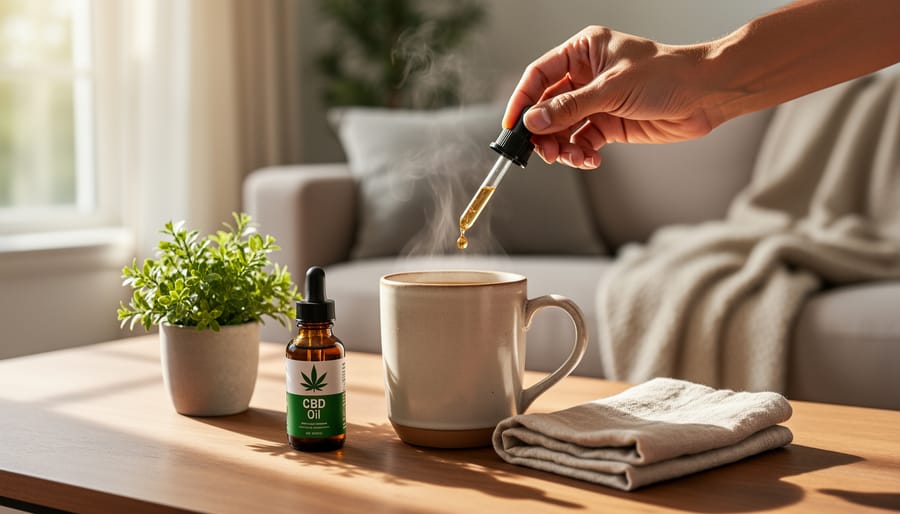
Oils and tinctures remain the most popular choice. These liquid extracts are typically placed under the tongue for 30-60 seconds before swallowing, allowing cannabinoids to absorb through sublingual tissues. This method offers onset within 15-45 minutes and effects lasting 4-6 hours. Bioavailability ranges from 12-35%, meaning a reasonable portion of the CBD enters your bloodstream. Many users prefer tinctures for CBD for anxiety because they can adjust doses drop by drop.
Capsules and edibles provide pre-measured doses and familiar consumption methods. However, they must pass through your digestive system, reducing bioavailability to roughly 6-15% and delaying onset to 1-2 hours. Effects typically last 6-8 hours, making them suitable for sustained relief throughout the day.
Topicalscreams, balms, and salves, are applied directly to skin for localized relief. They don’t enter the bloodstream in meaningful amounts, so they won’t produce systemic effects but may address targeted pain or inflammation within 15-45 minutes.
Vapes and inhalables offer the fastest onset (2-10 minutes) and highest bioavailability (up to 56%), but effects fade within 2-3 hours. This method suits acute symptom management but raises concerns about lung health that make it less advisable for long-term use.
Documented Health Benefits of Hemp-Derived CBD
Pain and Inflammation Relief
CBD’s interaction with the endocannabinoid system makes it a promising option for managing pain and inflammation without the side effects of traditional pharmaceuticals. Research shows CBD inhibits inflammatory cytokines and reduces oxidative stress in affected tissues, which explains why many users report relief from chronic pain conditions.
For arthritis specifically, studies have documented CBD’s ability to reduce joint swelling and protect nerves from damage. A 2022 clinical trial found that topical CBD significantly decreased pain scores in osteoarthritis patients, with effects lasting several hours after application. The compound works on both inflammatory and neuropathic pain pathways, making it relevant for various chronic conditions including fibromyalgia and lower back pain.
Athletes increasingly turn to CBD for muscle recovery, as it may reduce exercise-induced inflammation without impairing the training response. Unlike NSAIDs, which can interfere with muscle adaptation, CBD appears to support recovery while allowing the beneficial aspects of exercise stress to occur. Typical dosing for pain management ranges from 20 to 50 milligrams daily, though severe conditions may require higher amounts under medical guidance.
Anxiety and Stress Management
CBD has emerged as a potential tool for anxiety management, with research suggesting it may reduce symptoms through multiple pathways. A 2019 study published in The Permanente Journal found that 79% of participants experienced decreased anxiety scores within the first month of CBD use, with effects persisting throughout the three-month trial period.
The compound appears to influence how the brain processes stress signals. Research indicates CBD may modulate serotonin receptor activity, similar to selective serotonin reuptake inhibitors but through different mechanisms. Some studies have documented reduced cortisol levels in CBD users, suggesting the compound may dampen the body’s stress response at a hormonal level.
Social anxiety has shown particular responsiveness to CBD in clinical settings. A 2011 simulation study found that participants given CBD before public speaking tasks reported significantly less anxiety and cognitive impairment compared to placebo groups. Brain imaging revealed altered activity in limbic and paralimbic areas associated with anxiety processing.
Generalized anxiety disorder and stress-related conditions have also been examined, though larger controlled trials are needed to establish standardized treatment protocols. Current evidence suggests CBD works best as part of a comprehensive approach rather than a standalone solution.
Sleep Quality and Insomnia

CBD doesn’t knock you out like a sleeping pill. Instead, it may help you sleep better by tackling what keeps you awake in the first place, racing thoughts, chronic discomfort, or stress hormones that won’t quiet down at night.
A 2019 retrospective chart review found that 66.7% of patients taking CBD reported improved sleep scores within the first month, with the effect holding steady over three months. The mechanism appears indirect: by reducing anxiety and pain signals that disrupt sleep architecture, CBD allows the body’s natural sleep-wake cycle to function more smoothly. Users often report falling asleep faster and waking less during the night, though the compound doesn’t produce the grogginess associated with conventional sleep aids.
Neurological and Seizure Disorders
CBD’s most robust clinical validation comes from epilepsy treatment. In 2018, the FDA approved Epidiolex, a pharmaceutical-grade CBD formulation, for two rare seizure disorders, Dravet syndrome and Lennox-Gastaut syndrome, after trials showed it reduced seizure frequency by roughly 40% in treatment-resistant patients. This marked the first cannabis-derived medication to receive federal approval, establishing a precedent for CBD’s neurological applications.
Beyond epilepsy, preliminary research explores CBD’s neuroprotective potential for Parkinson’s disease and multiple sclerosis. Small studies suggest CBD may improve quality of life in Parkinson’s patients by reducing tremors and sleep disturbances, though mechanisms remain unclear. For MS, some evidence indicates CBD might alleviate muscle spasticity and pain when combined with THC, but hemp-derived CBD alone has shown modest effects. These applications remain investigational, current data supports cautious optimism rather than definitive treatment protocols.
Skin Health and Topical Applications
CBD applied directly to the skin interacts with local endocannabinoid receptors in dermal tissues without entering the bloodstream, making topical formulations particularly suitable for localized skin conditions. Research published in 2019 demonstrated CBD’s ability to reduce sebum production and prevent inflammatory cytokine activation in human sebocytes, offering a mechanism for acne management. The compound’s anti-inflammatory properties show promise for eczema and psoriasis, with small-scale studies noting reduced itching, redness, and flaking when CBD-infused creams were applied consistently over several weeks.
Topical CBD products ranging from balms to serums capitalize on the compound’s antioxidant effects, which may protect skin from environmental stressors and support overall skin barrier function. Users report particular success combining CBD topicals with traditional moisturizers for managing chronic inflammatory skin conditions, though clinical evidence remains limited compared to other CBD applications. When selecting topical products, concentration matters, most effective formulations contain 3 to 8 milligrams of CBD per application, combined with carrier oils that enhance skin penetration like jojoba or coconut oil.
How to Use Hemp-Derived CBD Safely
Finding Your Effective Dose
Finding the right CBD dose is highly individual because response varies based on body weight, metabolism, the condition you’re treating, and product concentration. Most experts recommend starting with 5-10 mg per day and observing effects for at least a week before adjusting. This conservative approach helps you identify the minimum effective dose while minimizing potential side effects.
For mild symptoms like occasional stress or sleep difficulties, 10-20 mg daily often suffices. Moderate conditions such as chronic pain or persistent anxiety may require 20-40 mg, while severe symptoms could benefit from 40 mg or higher. People weighing under 130 pounds typically need lower doses than those over 200 pounds, though this isn’t absolute.
Keep a simple log noting dose, timing, and symptom changes. If you don’t notice improvement after a week, increase by 5-10 mg increments. CBD’s effects can be subtle rather than dramatic, so track patterns over days rather than expecting immediate relief. Sublingual oils allow more precise dose control than edibles, making them ideal for finding your baseline. Once established, you can explore other formats while maintaining your effective dose range.
Quality and Sourcing Considerations
Third-party lab testing stands as the single most important quality marker when selecting CBD products. Reputable manufacturers submit every batch to independent laboratories that verify cannabinoid content, screen for heavy metals like lead and mercury, test for pesticide residues, and check for harmful solvents left from extraction. Look for a Certificate of Analysis (COA) that’s easily accessible through a QR code on the packaging or the company’s website. The COA should match the batch number on your product and confirm the CBD content listed on the label.
Organic hemp cultivation matters because cannabis plants are bioaccumulators, they pull everything from the soil, including contaminants. Hemp grown in polluted soil can concentrate toxins in the final product. While USDA Organic certification isn’t universally required, it signals cleaner growing practices without synthetic pesticides or chemical fertilizers.
Watch for warning signs: products making medical cure claims, prices drastically below market average, vague sourcing information, or missing lab results. The CBD market remains loosely regulated in many jurisdictions, creating space for substandard products with inaccurate potency or undisclosed THC levels that could affect drug tests. Stick with transparent brands that openly share their cultivation locations, extraction methods, and complete testing data.
Common Questions About Hemp-Derived CBD
Anyone curious about hemp-derived CBD naturally wants clear answers before trying it. While research continues to unfold, we can address the most common concerns based on what we know today.
Will CBD show up on a drug test?
Standard workplace drug tests screen for THC, not CBD. However, full-spectrum CBD products contain trace THC (under 0.3%) that could theoretically accumulate with heavy daily use and trigger a positive result, though this is rare.
Is hemp-derived CBD legal everywhere?
The 2018 Farm Bill legalized hemp-derived CBD at the federal level, but some states maintain restrictions or require specific labeling. Check your state’s current regulations, as enforcement and retail rules vary.
What side effects should I expect?
Most people tolerate CBD well, but possible effects include dry mouth, drowsiness, changes in appetite, or mild digestive upset. CBD can also interact with certain medications by affecting how your liver processes them, so consult your doctor if you take prescription drugs.
How long does CBD take to work?
Onset varies by delivery method: sublingual oils work within 15-45 minutes, edibles take one to two hours, while topicals act locally within 20-30 minutes. Chronic conditions may require consistent use over several weeks to notice full effects.
One concern that surfaces frequently is tolerance. Unlike THC, CBD does not appear to create significant tolerance with regular use. Some long-term users actually report needing less over time as their endocannabinoid system rebalances, though individual responses vary. That said, cycling your dose or taking occasional breaks can help you gauge whether the product continues meeting your needs or if adjustments make sense.
Hemp-derived CBD represents a meaningful shift in how we approach wellness and pain management. The evidence gathered through 2026 shows genuine promise for conditions ranging from chronic pain and anxiety to epilepsy and inflammation-related disorders. This isn’t hype, it’s documented therapeutic potential that deserves recognition alongside continued scientific scrutiny.
What matters most is perspective. CBD works best as one element within a broader health strategy, not a miracle cure standing alone. If you’re managing anxiety, CBD might complement therapy and lifestyle changes. For chronic pain, it could reduce your reliance on pharmaceuticals while you address root causes through physical therapy or dietary adjustments.
The research gaps remain significant. We need long-term studies tracking CBD use over years, not months. We need clarity on optimal dosing for specific conditions. We need better understanding of interactions with common medications. Advocating for this research, and for regulations that protect consumers while allowing access, serves everyone’s interests.
Making informed choices means reading lab reports, starting with conservative doses, and tracking your individual response rather than trusting marketing claims. It means consulting healthcare providers familiar with cannabinoid medicine, especially if you take prescription medications.
As attitudes toward cannabis continue evolving, education remains the most powerful tool against stigma and misinformation. Hemp-derived CBD offers real benefits when approached thoughtfully, and understanding those benefits accurately serves both personal wellness and the broader movement toward evidence-based cannabis policy.