 dolores
 Growing older brings wisdom and experience, but it can also introduce physical discomfort, sleep disruptions, and heightened concerns about mental clarity. For seniors navigating these challenges in 2026, cannabidiol (CBD) has emerged as a compelling wellness option backed by expanding research and real-world testimonials from older adults who’ve discovered meaningful relief.
Unlike its psychoactive counterpart THC, CBD offers therapeutic potential without the “high”, making it particularly appealing for seniors who want natural support for chronic pain, inflammation, anxiety, and sleep quality. The compound interacts with the body’s endocannabinoid system, which regulates everything from pain perception to mood balance, often with fewer side effects than conventional pharmaceuticals that can accumulate in aging bodies.
What makes CBD especially relevant for the senior demographic is its versatility. Whether you’re managing arthritis that limits mobility, experiencing anxiety about health changes, struggling with insomnia, or dealing with inflammation that affects daily activities, CBD products come in forms suited to different needs and comfort levels: sublingual oils for precise dosing, topicals for targeted joint relief, or capsules for familiar convenience.
This article examines five evidence-supported ways CBD can meaningfully improve quality of life for older adults. We’ll explore the specific mechanisms behind each benefit, provide practical guidance on safe incorporation into existing health routines, and address the safety considerations that matter most when you’re already managing other medications or conditions. The goal is straightforward: helping you make an informed decision about whether CBD deserves a place in your wellness approach.
Understanding CBD: What Seniors Need to Know
CBD, short for cannabidiol, is a natural compound extracted from the cannabis plant. Unlike its better-known cousin THC (tetrahydrocannabinol), CBD does not produce a “high” or any intoxicating effects. This distinction matters enormously for seniors who want therapeutic benefits without impairment or the stigma historically associated with marijuana.
The compound works by interacting with your body’s endocannabinoid system, a network of receptors that helps regulate pain, mood, sleep, immune response, and other vital functions. Think of it as your body’s internal balancing system. As we age, this system can become less efficient, which is where CBD may step in to provide support.
In 2026, CBD derived from hemp (cannabis with less than 0.3% THC) is legal federally in the United States and in most states, though regulations vary by location. This legal clarity has opened the door for quality research and legitimate product development. The medical community has grown increasingly receptive to CBD, particularly after the FDA approved Epidiolex, a CBD-based medication for severe epilepsy, which validated the compound’s therapeutic potential.
For seniors specifically, CBD presents a compelling safety profile compared to many conventional medications. It’s non-addictive, carries minimal risk of overdose, and typically produces only mild side effects like drowsiness or dry mouth. Most seniors tolerate it well when starting with low doses and increasing gradually.
The growing acceptance stems from accumulating clinical evidence and countless personal testimonials from older adults who’ve found relief where traditional treatments fell short. Today’s CBD products are also more reliable than ever, with third-party testing and clearer labeling making it easier to know exactly what you’re getting.
Benefit 1: Natural Pain Relief Without Opioid Risks
Chronic pain affects nearly half of Americans over 65, turning everyday activities into challenges. Arthritis, neuropathy, lower back pain, and post-surgical discomfort become constant companions. Traditional treatments often involve NSAIDs that upset the stomach or opioids that carry frightening addiction risks. CBD offers a different path.
CBD interacts with your body’s endocannabinoid system, particularly CB2 receptors concentrated in your immune system and peripheral tissues. When you use CBD, it reduces inflammatory signals at the source of pain without the numbing effect or dependency issues of opioids. For seniors dealing with osteoarthritis in their knees or hands, this means meaningful relief without cognitive fog or the risk of building tolerance.
Research shows CBD reduces both the pain sensation and the inflammation driving it. A 2023 study found that seniors using CBD for arthritis reported a 44% reduction in pain scores after eight weeks, with improvements in mobility and sleep quality. Unlike opioids that simply mask pain signals, CBD addresses underlying inflammation, the root cause in conditions like rheumatoid arthritis and neuropathy.
The safety profile matters enormously for older adults on multiple medications. CBD doesn’t depress breathing like opioids or damage your stomach lining like daily ibuprofen. You won’t build physical dependence or face withdrawal. The most common side effects, mild drowsiness or dry mouth, pale in comparison to opioid-related constipation, confusion, and overdose risk that killed over 16,000 Americans aged 65+ in 2025.
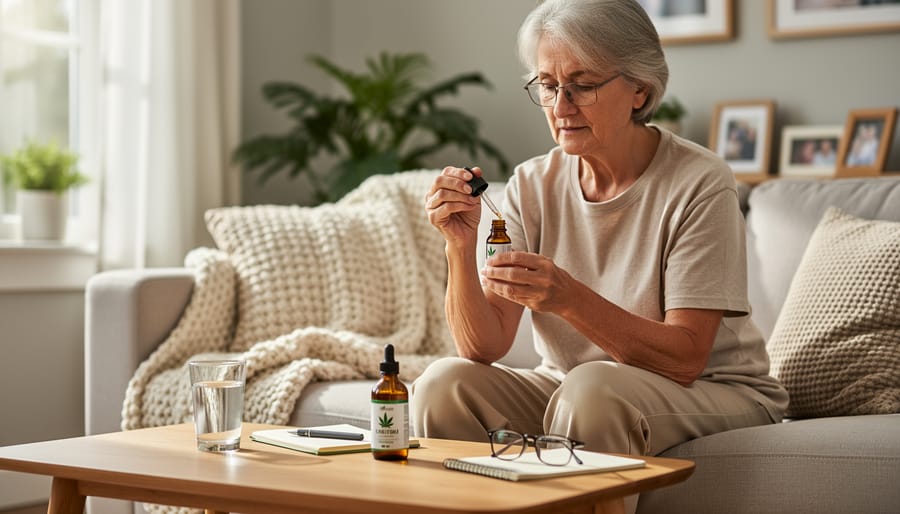
For neuropathic pain from diabetes or shingles, where conventional treatments often fail, CBD’s anti-inflammatory and nerve-protective properties provide relief that pharmaceuticals can’t match. Many seniors start with 20-30mg daily and adjust upward, finding their effective dose without the fear that haunts opioid prescriptions. That’s not just pain management, that’s reclaiming mobility and independence.
Benefit 2: Better Sleep Quality and Duration
Sleep problems affect up to 50% of adults over 65, creating a cascade of health issues that extend far beyond nighttime discomfort. Seniors struggle with falling asleep, staying asleep, and achieving the restorative deep sleep their bodies need for cellular repair and cognitive function. CBD offers a fundamentally different approach than conventional sleep medications, addressing sleep disturbances without the grogginess, dependency risks, or morning hangover effects that plague many prescription and over-the-counter options.
Unlike sedatives that chemically force sleep onset, CBD works by calming an overactive nervous system and addressing root causes of sleeplessness. It reduces anxiety that keeps minds racing at bedtime, eases physical discomfort that disrupts rest, and helps regulate circadian rhythms that often become erratic with age. Many seniors report real relief from the sleep problems that have persisted for years, including:
- Difficulty falling asleep within 30 minutes of lying down
- Frequent nighttime waking that fragments sleep cycles
- Early morning awakening with inability to return to sleep
- Restless legs or physical discomfort preventing relaxation
- Racing thoughts and bedtime anxiety
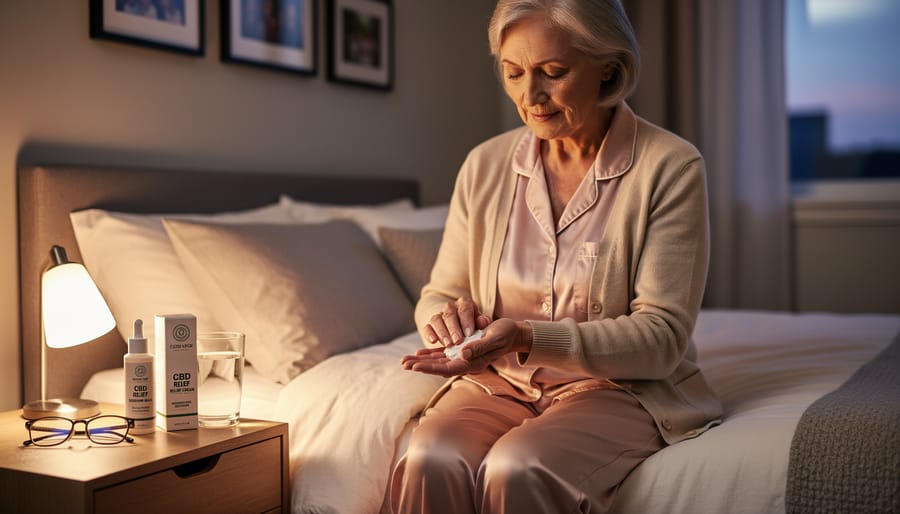
Timing matters significantly when using CBD for sleep support. Taking 20 to 40 milligrams approximately one hour before desired bedtime allows the compound to reach peak effectiveness as you prepare for sleep. This window differs from person to person based on metabolism, so starting earlier and adjusting forward or backward by 15-minute increments helps identify your optimal timing.
The absence of next-day sedation represents a crucial advantage for seniors who need clear cognition for morning medications, driving, or daily activities. CBD enhances natural sleep architecture rather than suppressing it, allowing the body to cycle properly through light, deep, and REM stages that pharmaceutical sleep aids often disrupt.
Benefit 3: Anxiety and Mood Support
CBD shows notable promise for addressing the emotional and psychological challenges that often accompany later life. Seniors frequently face anxiety and depression triggered by health diagnoses, loss of independence, social isolation, and major life transitions like retirement or bereavement. Unlike benzodiazepines and SSRIs, which carry risks of dependency, cognitive dulling, and withdrawal, CBD appears to support mood balance through gentler mechanisms.
The compound interacts with serotonin receptors in the brain, particularly the 5-HT1A receptor that regulates anxiety responses. This interaction helps modulate stress reactions without sedation or mental fog. The science on CBD suggests it may reduce the physiological symptoms of anxiety like rapid heartbeat and muscle tension while promoting a sense of calm alertness. Seniors report feeling more emotionally steady without the disconnected feeling some prescription medications create.
CBD may also help with situational anxiety around medical appointments, social gatherings, or travel that can become more pronounced with age. The calming effects typically emerge within 30 to 90 minutes when taken orally, offering predictable relief that seniors can time around anticipated stressors.
Research indicates CBD might support neuroplasticity and reduce inflammation in brain regions linked to mood regulation. While not a replacement for therapy or prescribed psychiatric medication, it offers an additional tool for managing the emotional landscape of aging. For seniors dealing with grief, chronic illness anxiety, or the stress of caregiving responsibilities, CBD provides support that honors mental clarity while easing psychological burden. Always consult a healthcare provider before adding CBD to any existing mental health treatment plan.
Benefit 4: Neuroprotective Properties for Brain Health
As we age, protecting brain health becomes increasingly critical. Cognitive decline, memory issues, and neurodegenerative diseases represent some of the most feared aspects of growing older. CBD shows promise in this area through its anti-inflammatory and antioxidant properties, which may help protect brain cells from damage and support overall neurological function.
Research indicates that CBD interacts with receptors throughout the brain and nervous system in ways that could reduce neuroinflammation, a key factor in age-related cognitive decline. Chronic inflammation in the brain has been linked to conditions like Alzheimer’s disease and dementia. By potentially reducing this inflammation, CBD may help maintain cognitive clarity and slow the progression of memory-related issues. Some studies have also suggested that CBD might promote the growth of new neurons, a process called neurogenesis, which typically declines with age.
For seniors dealing with Parkinson’s disease, preliminary research suggests CBD may help reduce tremors, improve sleep quality, and enhance overall quality of life without the psychoactive effects of THC. The compound’s ability to modulate brain chemistry without causing intoxication makes it particularly attractive for older adults who want to maintain mental clarity while managing symptoms.
CBD’s antioxidant properties also deserve attention. Oxidative stress damages cells throughout the body, including brain cells, and this damage accumulates over decades. By combating free radicals, CBD may offer protective effects that support long-term brain health. Some seniors report improved focus and mental sharpness after incorporating CBD into their wellness routines, though individual experiences vary widely.
The potential here is significant, but it’s essential to approach CBD as one component of a comprehensive brain health strategy that includes proper nutrition, mental stimulation, social engagement, and medical care.
Benefit 5: Cardiovascular and Bone Health Support
Heart disease and osteoporosis rank among the most pressing health concerns for seniors, yet emerging research suggests CBD may offer meaningful support in both areas. While the science is still developing, early findings point to cardiovascular and skeletal benefits that warrant attention from older adults looking to maintain their independence and vitality.
Several studies indicate that CBD may help regulate blood pressure, particularly stress-induced spikes that strain the cardiovascular system. Research published in recent years shows that a single dose of CBD reduced blood pressure responses to stress in human subjects. For seniors managing hypertension or concerned about heart health, this calming effect on the cardiovascular system represents a compelling reason to explore CBD. The compound appears to work through multiple pathways, including reducing anxiety and inflammation, both of which contribute to elevated blood pressure and heart disease risk.
The bone health connection is equally significant. As we age, bone density naturally decreases, leaving seniors vulnerable to fractures that can drastically reduce quality of life. CBD interacts with receptors that regulate bone metabolism, potentially supporting bone formation while inhibiting excessive breakdown. Animal studies suggest CBD may speed fracture healing and strengthen the callus formed during bone repair. For seniors recovering from breaks or managing osteoporosis, these recovery benefits could make a substantial difference in healing outcomes and long-term skeletal health.
Though more human trials are needed, the existing evidence suggests CBD addresses two critical pillars of healthy aging simultaneously, making it a promising addition to comprehensive senior health strategies.
Choosing the Right CBD Products for Seniors
The regulated market of 2026 offers seniors more therapeutic CBD choices than ever before, but navigating these options requires understanding which products match your specific needs. Your selection should depend on the benefits you’re seeking, your comfort level with different delivery methods, and any physical limitations like difficulty swallowing pills or applying topicals.
| Product Type | Onset Time | Duration | Best For |
|---|---|---|---|
| Sublingual Oils | 15-30 minutes | 4-6 hours | Anxiety, general wellness, flexible dosing |
| Capsules | 45-90 minutes | 6-8 hours | Consistent daily dosing, ease of use |
| Topicals | Minutes to area | 2-4 hours | Localized pain, arthritis, skin conditions |
| Edibles | 60-120 minutes | 6-8 hours | Sleep support, sustained relief |
Start with a low dose regardless of format, typically 5-10mg once or twice daily. Seniors metabolize substances differently, and you can always increase gradually over two weeks if needed. Sublingual oils offer the most control because you can adjust by single milligrams.
Quality indicators matter significantly in 2026’s market. Every legitimate product should display a QR code linking to recent third-party lab results showing CBD content, absence of heavy metals, pesticides, and solvents, and THC levels below 0.3%. Look for organic certification and extraction methods like CO2 rather than chemical solvents. The label should list the total CBD content in milligrams, not just a percentage, and include a batch number for traceability.
Avoid products making medical claims like “cures arthritis” or “treats Parkinson’s”, these violate FDA guidelines and signal questionable manufacturers. Reputable companies state that their products support wellness without promising specific medical outcomes. Check the harvest date when possible; CBD degrades over time, and products older than 18 months may have reduced potency.
Potential Side Effects and Drug Interactions
While CBD offers significant health benefits for seniors, understanding potential side effects and medication interactions is crucial for safe use. Most seniors tolerate CBD well, but awareness of possible reactions helps ensure positive outcomes.
Common side effects are typically mild and include fatigue, changes in appetite, dry mouth, and occasional dizziness. Some seniors experience digestive changes when first starting CBD, though these effects often diminish as the body adjusts. Starting with low doses and gradually increasing helps minimize these reactions.
The more critical concern involves drug interactions. CBD affects how the liver processes certain medications through the cytochrome P450 enzyme system. This can alter blood levels of prescription drugs, making them either more or less effective. Medications requiring particular attention include blood thinners like warfarin, certain heart medications, anti-seizure drugs, and some antidepressants. CBD research continues to identify specific interactions, making ongoing medical consultation essential.
Seniors taking multiple medications face higher interaction risks. The combination of prescription drugs, over-the-counter medications, and supplements creates complexity that requires professional oversight. Never start CBD without informing your primary care physician and pharmacist about your complete medication list.
A healthcare provider familiar with CBD can adjust medication dosages if needed, monitor for interactions, and track your response over time. This medical supervision becomes particularly important for seniors managing chronic conditions requiring precise medication levels. Regular blood tests may be necessary when combining CBD with certain drugs to ensure therapeutic ranges remain safe and effective.
CBD represents a meaningful shift in how seniors can approach wellness in their later years. The five benefits we’ve explored, pain relief without addiction risks, improved sleep, anxiety support, neuroprotection, and cardiovascular health, address the exact challenges that impact quality of life as we age.
What makes CBD particularly valuable isn’t just its therapeutic potential. It’s the safety profile, the multiple delivery methods, and the growing body of research validating what many seniors have already discovered through personal experience.
That said, CBD isn’t magic. It works best as part of a broader health strategy that includes proper nutrition, physical activity, and regular medical care. Your response to CBD will be individual, which is why starting low, going slow, and keeping your doctor informed matters so much, especially if you take other medications.
The landscape continues to evolve. Research in 2026 is more robust than ever, product quality has improved dramatically, and medical acceptance keeps growing. Stay curious, ask questions, and don’t let outdated stigma prevent you from exploring an option that might genuinely improve your daily comfort and vitality.