
 dolores
 Cannabidiol, or CBD, has emerged from cannabis’s shadow as a distinct therapeutic compound worthy of serious medical consideration. Unlike its psychoactive counterpart THC, CBD interacts with the body’s endocannabinoid system without producing intoxication, making it an attractive option for patients seeking relief without altered consciousness.
Current research supports CBD’s effectiveness for several specific conditions. The FDA has approved Epidiolex, a CBD-based medication, for treating severe epilepsy syndromes including Dravet syndrome and Lennox-Gastaut syndrome, where clinical trials demonstrated significant seizure reduction. Evidence also suggests therapeutic potential for anxiety disorders, chronic pain conditions, and inflammation-related ailments, though the strength of evidence varies considerably across applications.
Understanding proper dosing remains challenging due to limited standardization and individual variability. Therapeutic doses typically range from 20 to 1,500 milligrams daily depending on the condition being treated, but starting low and gradually increasing allows patients to identify their optimal dose while minimizing side effects like fatigue or digestive changes.
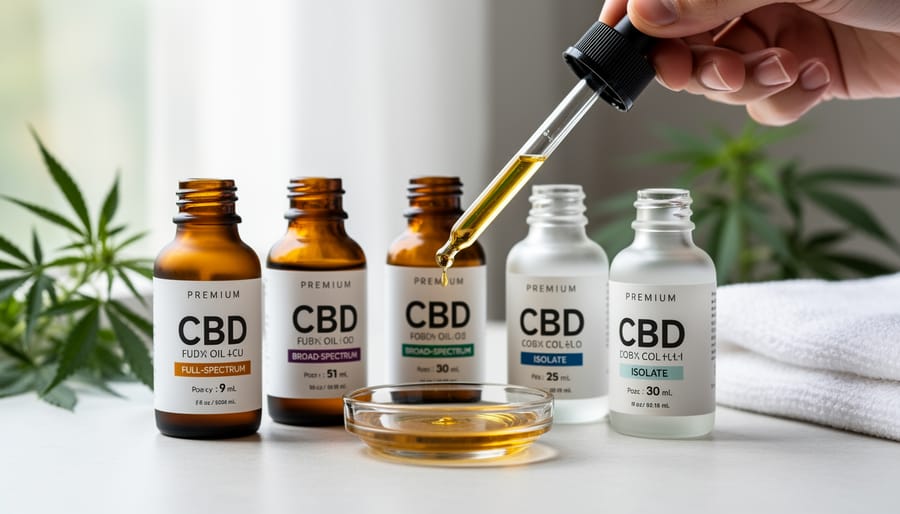
The CBD market presents significant quality concerns that patients must navigate carefully. Third-party laboratory testing, certificate of analysis verification, and sourcing from reputable manufacturers help ensure products contain stated CBD concentrations without contaminants or excessive THC levels. Full-spectrum, broad-spectrum, and isolate formulations offer different cannabinoid profiles that may influence therapeutic outcomes.
This article examines evidence-based applications of therapeutic CBD, practical implementation strategies, and realistic expectations for this promising yet still-developing treatment modality.
Understanding Therapeutic CBD: Beyond the Basics
When we refer to CBD as “therapeutic,” we’re describing its potential to provide measurable relief from specific medical symptoms or conditions rather than general wellness effects. The distinction lies in both the intention of use and the documented physiological responses that occur when CBD interacts with your body’s natural regulatory systems.
The foundation of CBD’s therapeutic potential rests in the endocannabinoid system (ECS), a complex cell-signaling network present in all mammals. This system helps regulate crucial functions including pain sensation, immune response, mood, sleep, and inflammation. The ECS operates through two primary receptors: CB1 receptors, predominantly found in the brain and central nervous system, and CB2 receptors, mainly located in the peripheral nervous system and immune cells. Unlike THC, which binds directly to these receptors, CBD works more subtly by influencing how the body uses its own naturally produced endocannabinoids and interacting with other receptor systems, including serotonin and vanilloid receptors.
Understanding product types is essential for therapeutic applications. To help clarify the terminology:
- Endocannabinoid System
- The body’s internal regulatory network of receptors and neurotransmitters that helps maintain balance in various physiological processes. CBD influences this system to produce therapeutic effects.
- CBD Isolate
- Pure cannabidiol extracted and isolated from all other cannabis plant compounds, containing 99% CBD with no other cannabinoids, terpenes, or flavonoids.
- Full-Spectrum CBD
- Products containing CBD along with all other naturally occurring cannabis compounds, including trace amounts of THC (under 0.3% legally), terpenes, and other cannabinoids that may work synergistically.
- Broad-Spectrum CBD
- Similar to full-spectrum but with THC completely removed, offering multiple cannabinoids and terpenes without any psychoactive potential.
- Bioavailability
- The percentage of CBD that actually enters your bloodstream and becomes available for your body to use, which varies significantly by consumption method.
The choice between these product types significantly impacts therapeutic outcomes. Full-spectrum products often demonstrate enhanced effectiveness due to the “entourage effect,” where multiple cannabis compounds work together synergistically. However, individuals concerned about THC exposure may prefer broad-spectrum or isolate options.
Bioavailability represents perhaps the most overlooked factor in therapeutic CBD use. Oral consumption through edibles or capsules offers only 6-15% bioavailability due to first-pass metabolism in the liver, meaning much of the CBD never reaches your bloodstream. Sublingual administration increases this to 12-35%, while inhalation provides 34-46% bioavailability with rapid onset. Understanding these differences helps you select appropriate products and dosages for your specific therapeutic needs.
Evidence-Based Therapeutic Applications
Chronic Pain and Inflammation Management
CBD’s potential for managing chronic pain and inflammation has attracted significant scientific attention, with research revealing promising mechanisms that may benefit those seeking alternatives to traditional pain medications. CBD interacts with the body’s endocannabinoid system, particularly CB2 receptors found in immune cells and peripheral tissues, which helps regulate inflammatory responses and pain signaling.
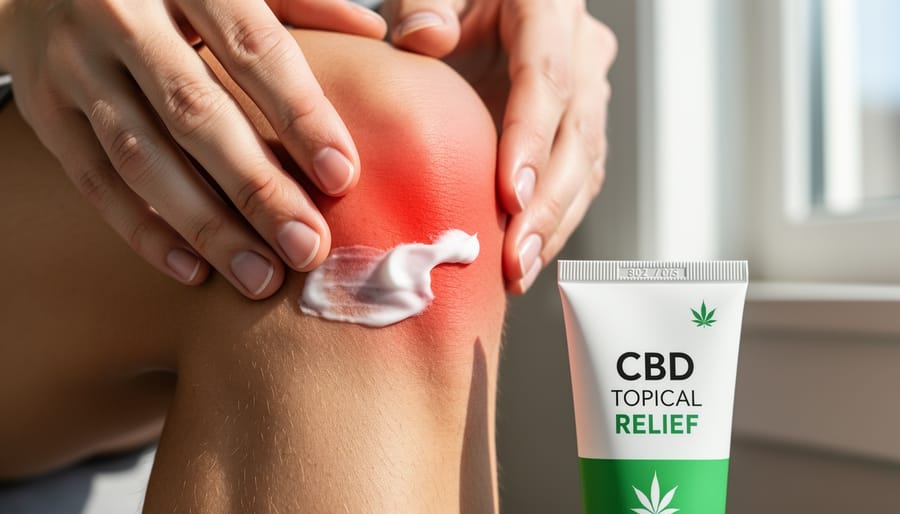
Studies suggest CBD demonstrates anti-inflammatory properties by reducing cytokine production and modulating immune system activity. This mechanism shows particular promise for conditions involving chronic inflammation, such as rheumatoid arthritis and inflammatory bowel disease. Research published in the European Journal of Pain demonstrated that topical CBD application reduced joint swelling and pain-related behaviors in animal models of arthritis, though human clinical trials remain limited.
For neuropathic pain—often resistant to conventional treatments—CBD may offer relief by influencing pain perception pathways without the intoxicating effects of THC. Patients with conditions like diabetic neuropathy, multiple sclerosis, and post-surgical nerve damage have reported symptom improvements, though individual responses vary considerably.
Current evidence indicates CBD works best as part of a comprehensive pain management approach rather than a standalone solution. Effective dosing typically ranges from 20-40mg daily for mild symptoms to several hundred milligrams for severe chronic pain, though consultation with healthcare providers familiar with cannabinoid therapy is essential for optimal results.
While CBD shows therapeutic potential, it’s important to recognize that research is ongoing. Most existing studies involve small sample sizes or animal models, highlighting the need for larger, well-controlled human trials to establish definitive treatment protocols and identify which patient populations benefit most from CBD-based pain management strategies.
Anxiety and Stress-Related Disorders
Research into CBD’s effects on anxiety and stress-related disorders has shown promising results, though the evidence base continues to develop. Multiple clinical studies suggest CBD may reduce anxiety symptoms through its interaction with serotonin receptors and the endocannabinoid system, which helps regulate mood and stress responses. A 2019 study published in The Permanente Journal found that 79% of participants experienced decreased anxiety scores within the first month of CBD treatment, though researchers emphasized the need for larger controlled trials.
CBD appears to work differently than conventional anti-anxiety medications like benzodiazepines or SSRIs. While traditional medications often require weeks to take effect and may cause dependence or significant side effects, CBD typically acts more quickly and shows a favorable safety profile. However, CBD does not work for everyone, and its effects can vary considerably between individuals.
Dosing for anxiety remains an area requiring more research, but clinical studies have explored ranges from 10mg to 600mg daily, with many patients finding relief at lower doses between 25-75mg per day. Starting with minimal doses and gradually increasing allows individuals to identify their effective threshold while minimizing potential side effects like drowsiness or digestive changes.
It’s important to note that CBD should not replace professional mental health treatment. Individuals experiencing anxiety disorders should work with healthcare providers to develop comprehensive treatment plans that may include therapy, lifestyle modifications, and appropriate medications alongside or instead of CBD supplementation.
Sleep Quality and Insomnia
Sleep disturbances affect millions of people worldwide, and emerging research suggests CBD may offer a natural alternative for those struggling with insomnia and poor sleep quality. Unlike traditional sleep medications that can cause dependency or grogginess, CBD appears to work by addressing underlying factors that interfere with rest, particularly anxiety and stress.
Clinical studies indicate that CBD may improve sleep through multiple mechanisms. Research published in The Permanente Journal found that 66.7% of patients experienced improved sleep scores within the first month of CBD use, primarily through anxiety reduction. CBD interacts with receptors in the endocannabinoid system that help regulate the sleep-wake cycle, potentially supporting more consistent circadian rhythms without the sedative effects associated with THC.
For sleep-related applications, timing and dosage matter significantly. Many users find benefit from taking CBD 30-60 minutes before bedtime, allowing adequate time for absorption and onset of effects. Starting with lower doses of 25-50mg and gradually increasing based on individual response helps identify the optimal amount. Full-spectrum products may provide enhanced benefits through the entourage effect, though those subject to drug testing should consider broad-spectrum or isolate options.
It’s important to note that CBD works best as part of comprehensive sleep hygiene practices. Maintaining consistent sleep schedules, reducing screen time before bed, and creating a comfortable sleep environment enhance CBD’s potential benefits. Individuals with chronic insomnia or underlying sleep disorders should consult healthcare providers to rule out conditions requiring medical intervention.
Dosing and Administration for Therapeutic Use
Finding the right CBD dose for therapeutic purposes requires a patient-centered approach, as individual responses vary significantly based on body weight, metabolism, the condition being addressed, and product potency. Unlike many conventional medications, CBD lacks standardized dosing guidelines, making the “start low and go slow” principle essential for safe and effective use.
Most therapeutic applications begin with doses ranging from 5-10 mg of CBD once or twice daily. This conservative starting point allows you to monitor how your body responds before gradually increasing by 5-10 mg increments every few days until you achieve desired effects. Research suggests therapeutic doses for specific conditions may range from 20 mg daily for mild anxiety to 300-600 mg for more serious conditions, though higher doses should only be pursued under medical supervision. Keeping a journal documenting your dose, timing, and symptom changes helps identify your optimal therapeutic window.
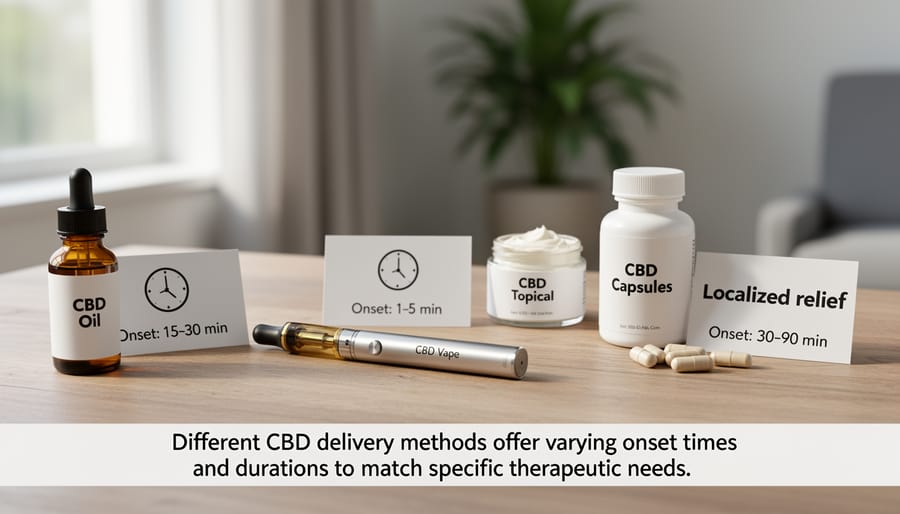
The delivery method you choose significantly impacts how quickly CBD works and how long effects last, making method selection an important therapeutic consideration:
| Administration Method | Onset Time | Duration | Best Therapeutic Use |
|---|---|---|---|
| Sublingual oils/tinctures | 15-45 minutes | 4-6 hours | Anxiety, chronic pain, general wellness |
| Capsules/edibles | 1-2 hours | 6-8 hours | Long-lasting symptom control, sleep disorders |
| Topicals | Minutes to 1 hour | 2-4 hours | Localized pain, inflammation, skin conditions |
| Vaporizers | 2-5 minutes | 2-3 hours | Acute symptoms requiring rapid relief |
Sublingual administration through oils or tinctures offers the most flexible dosing control, allowing you to adjust amounts precisely while achieving relatively quick onset. Hold the oil under your tongue for 60-90 seconds before swallowing to maximize absorption through mucous membranes. Capsules provide consistent, pre-measured doses ideal for maintaining steady blood levels throughout the day, though they take longer to take effect due to digestive processing.
Topical applications work best for localized concerns like joint pain or skin inflammation, as CBD absorbs through the skin without entering the bloodstream. This method avoids systemic effects while delivering targeted relief. Vaporizing offers the fastest onset but shortest duration, making it suitable for breakthrough symptoms but less practical for consistent therapeutic management. However, potential respiratory concerns make vaporizing a less advisable long-term option compared to other methods.
Timing considerations matter for therapeutic success. Taking CBD with fatty foods enhances absorption, while consistency in daily timing helps maintain stable levels. For sleep issues, dosing 1-2 hours before bedtime allows the compound to take effect. Morning doses may better address daytime anxiety or inflammation. Remember that therapeutic benefits often develop over several weeks of consistent use rather than immediately, requiring patience and systematic tracking to evaluate true effectiveness.
Quality Considerations for Therapeutic CBD Products
Identifying high-quality therapeutic CBD products requires careful evaluation of several key factors. Unlike prescription medications, CBD products face less regulatory oversight, making consumer diligence essential for safety and effectiveness.
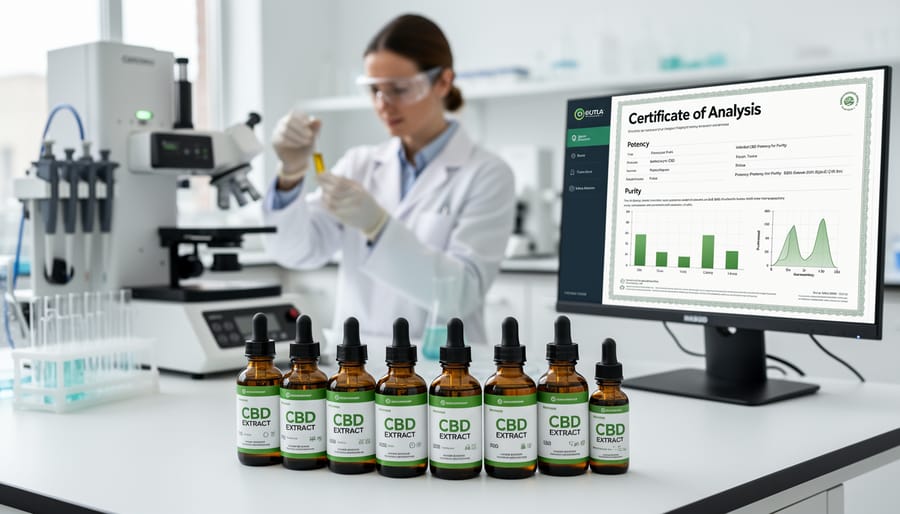
Third-party laboratory testing represents the most reliable indicator of product quality. Reputable manufacturers submit their products to independent laboratories that analyze cannabinoid content, verify the absence of contaminants, and confirm label accuracy. These tests screen for heavy metals, pesticides, residual solvents, microbial contaminants, and mycotoxins that could pose health risks. Products lacking third-party testing should be avoided, regardless of marketing claims.
Understanding Certificates of Analysis (COAs) empowers informed purchasing decisions. These laboratory reports should confirm that CBD content matches label claims within a reasonable margin. Look for cannabinoid profiles showing not just CBD levels but also THC content, which must remain below 0.3 percent for legal hemp-derived products. The COA should display results for contaminant testing with “ND” (non-detect) or levels below safety thresholds. Batch numbers on COAs should match product packaging, and reports should be recent, ideally within the past year.
Organic certification matters significantly for therapeutic applications. Hemp plants are bioaccumulators, meaning they absorb substances from soil, including toxins. USDA Organic certification ensures products come from plants grown without synthetic pesticides, herbicides, or fertilizers, reducing exposure to potentially harmful chemicals that could compromise therapeutic benefits or cause adverse effects.
Extraction methods profoundly impact therapeutic compound preservation. CO2 extraction is widely considered the gold standard, preserving beneficial cannabinoids and terpenes without chemical residues. Ethanol extraction also produces quality results when properly executed. Avoid products using potentially toxic solvents like butane or propane unless COAs confirm complete removal. Full-spectrum and broad-spectrum products generally offer superior therapeutic potential compared to CBD isolates due to the entourage effect, where multiple cannabis compounds work synergistically.
Red flags requiring caution include exaggerated health claims promising cures for serious diseases, prices significantly below market rates suggesting inferior quality or mislabeling, lack of clear dosing information, absence of contact information or company transparency, and products sold without accessible COAs. Companies should provide batch-specific testing results readily available through QR codes or websites. If manufacturers cannot or will not provide testing documentation, consider alternative sources that prioritize transparency and consumer safety.
Safety Profile and Potential Interactions
CBD is generally well-tolerated by most individuals, with research and real-world use demonstrating a favorable safety profile compared to many conventional medications. The World Health Organization has recognized CBD as having low potential for abuse and minimal adverse effects. However, like any therapeutic substance, CBD can produce side effects in some people and may interact with certain medications, making informed use essential.
Common side effects associated with CBD are typically mild and may include fatigue, changes in appetite, diarrhea, and dry mouth. These effects are generally dose-dependent, meaning higher doses increase the likelihood of experiencing them. Some individuals report feeling drowsy after taking CBD, particularly at higher doses or when combined with other sedating substances. Starting with lower doses and gradually increasing allows users to gauge their individual response and minimize unwanted effects.
The most significant safety consideration involves CBD’s potential interactions with prescription medications. CBD is metabolized by the same liver enzyme system (cytochrome P450) responsible for processing approximately 60 percent of pharmaceuticals. This can alter how the body processes certain drugs, potentially increasing or decreasing their blood levels. Blood thinners like warfarin require particularly close monitoring, as CBD may increase bleeding risk by affecting drug metabolism. Individuals taking antiepileptic medications such as clobazam or valproate should work closely with their healthcare providers, as CBD may enhance sedative effects or alter medication levels.
Healthcare consultation becomes especially important for pregnant or nursing individuals, those with liver conditions, and anyone taking multiple medications. A qualified provider can assess individual risk factors, review current medications for potential interactions, and help determine whether therapeutic CBD use is appropriate. Transparency about CBD use during medical appointments ensures comprehensive care and prevents potentially dangerous drug interactions that could compromise treatment effectiveness or safety.
What the Research Still Needs to Tell Us
While CBD shows promise for various therapeutic applications, it’s essential to acknowledge the significant gaps in our current scientific understanding. Most existing research consists of preliminary studies, animal models, or small-scale human trials that, while encouraging, don’t provide the comprehensive evidence needed to establish definitive treatment protocols.
One major limitation is the scarcity of large-scale, long-term clinical trials examining CBD’s effectiveness and safety profile over extended periods. We simply don’t have enough data about what happens when people use CBD therapeutically for years or decades. Questions about optimal dosing for specific conditions, potential drug interactions, and long-term side effects remain largely unanswered.
The gap between widespread anecdotal reports and scientific validation presents another challenge. Many individuals report significant benefits from CBD use, yet these personal experiences haven’t been consistently replicated in controlled clinical settings. This discrepancy doesn’t necessarily mean CBD is ineffective, but rather highlights the need for rigorous research that can explain why some people respond positively while others don’t.
Research is particularly limited regarding CBD’s effects on specific populations, including children, pregnant or nursing individuals, and those with certain medical conditions. Additionally, most studies have focused on purified CBD rather than full-spectrum products, leaving questions about how different cannabinoid combinations might work together therapeutically.
The regulatory landscape has also hindered research progress. While changing, historical restrictions on cannabis research have created decades-long delays in our understanding. Moving forward, increased funding for well-designed clinical trials, standardized dosing research, and long-term safety studies will be crucial for transforming CBD from a promising compound into a fully validated therapeutic option with clear, evidence-based applications.
Therapeutic CBD represents a promising but still-developing area within evidence-based medicine. Current research supports its effectiveness for specific conditions, particularly certain epilepsy syndromes and some forms of chronic pain, while other applications require further investigation. The gap between anecdotal reports and clinical validation remains significant, making it essential for consumers to approach CBD with informed expectations rather than viewing it as a universal remedy.
Quality matters tremendously when considering therapeutic CBD products. The lack of comprehensive federal regulation means consumers must actively verify third-party lab testing, confirm hemp source quality, and ensure accurate cannabinoid content labeling. Working with healthcare providers familiar with cannabinoid therapeutics helps establish appropriate dosing protocols, as effective amounts vary considerably based on individual factors and specific health concerns.
CBD functions most effectively as one component within a comprehensive health strategy. Rather than replacing conventional treatments, it may complement existing therapies, lifestyle modifications, and other evidence-based interventions. This integrative approach acknowledges both CBD’s legitimate therapeutic potential and its current limitations.
As research continues expanding our understanding of cannabinoid medicine, staying informed through credible sources becomes increasingly important. Patients and consumers deserve accurate information that neither overstates benefits nor dismisses genuine therapeutic applications. By prioritizing quality products, appropriate professional guidance, and realistic expectations, individuals can make empowered decisions about whether therapeutic CBD aligns with their personal health goals and circumstances.


